Clever software
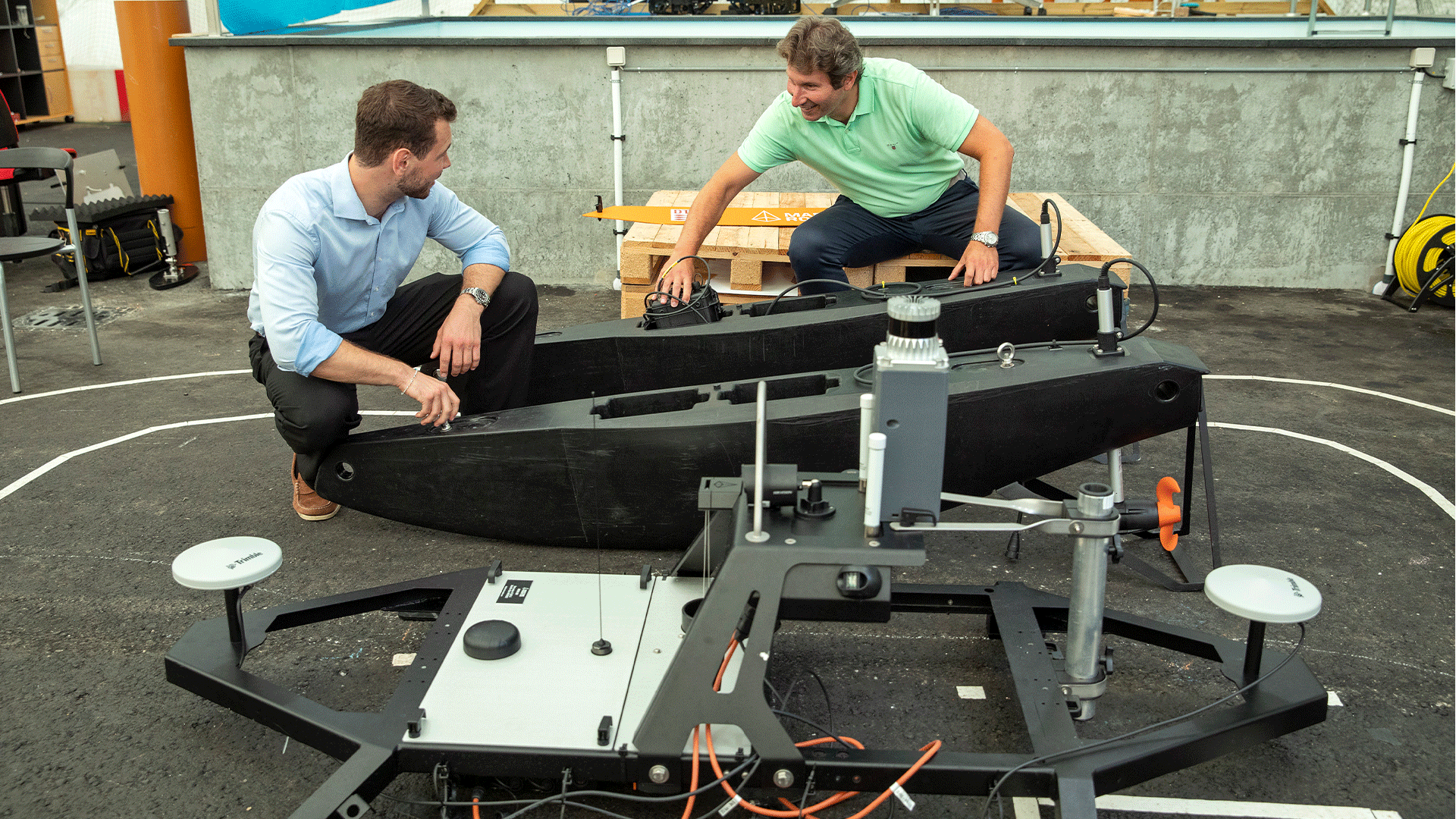
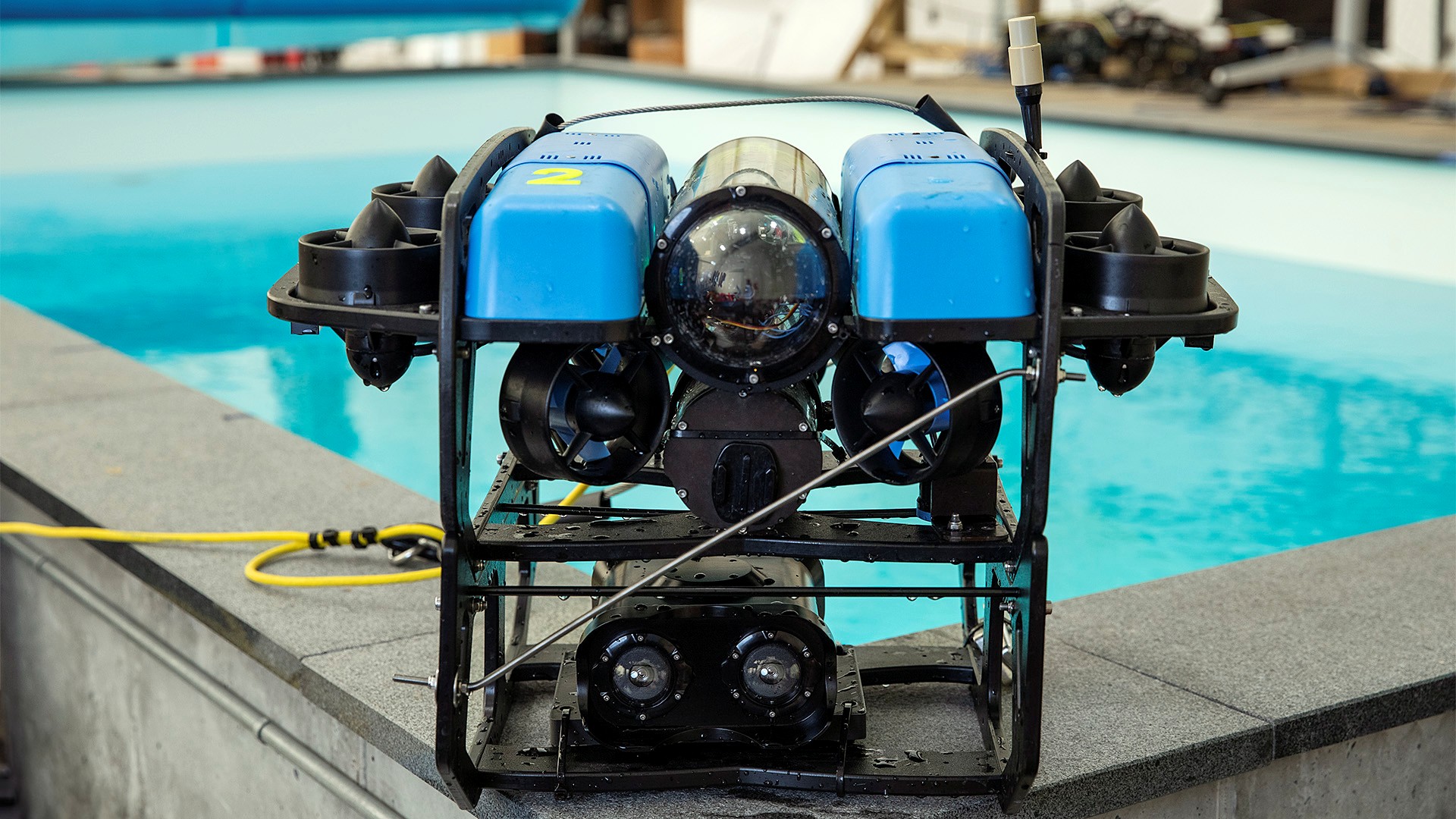
While the researchers are working on optimizing the vessels' data collection equipment, they are also collaborating with colleagues from Aalborg University to develop a software solution for the monitoring system. The solution will ensure that the vessels can safely exchange data with each other so that they know when to respond to anything out of the ordinary.
The new software will also make it possible to send the collected data to a shared repository in the cloud, where human operators can use it to decide how to handle a potential threat based on the overall picture. This could involve securing the area in question, obtaining further information about the threat or deploying units that can neutralize the threat.
Roberto Galeazzi dreams of eventually developing the concept into a fully autonomous system, where several vessels jointly patrol the sea continuously in search of suspicious objects or activities:
“This would set a new standard for continuous maritime surveillance and significantly strengthen our security by providing human operators with the knowledge they need to act quickly, accurately and safely.”
Although the current project is focused on monitoring hostile activity, the system can also be used for environmental monitoring in e.g., protected areas.
“If someone discharges pollution into a Natura 2000 area, it is obviously important that we detect it as quickly as possible so that we can contain the pollution and avoid damaging nature more than we already have. So, in that sense, the technology is “dual-use”,” Roberto Galeazzi explains.
Dual-use is a collective term for items or technologies that can be used for civilian purposes, but also for defence.