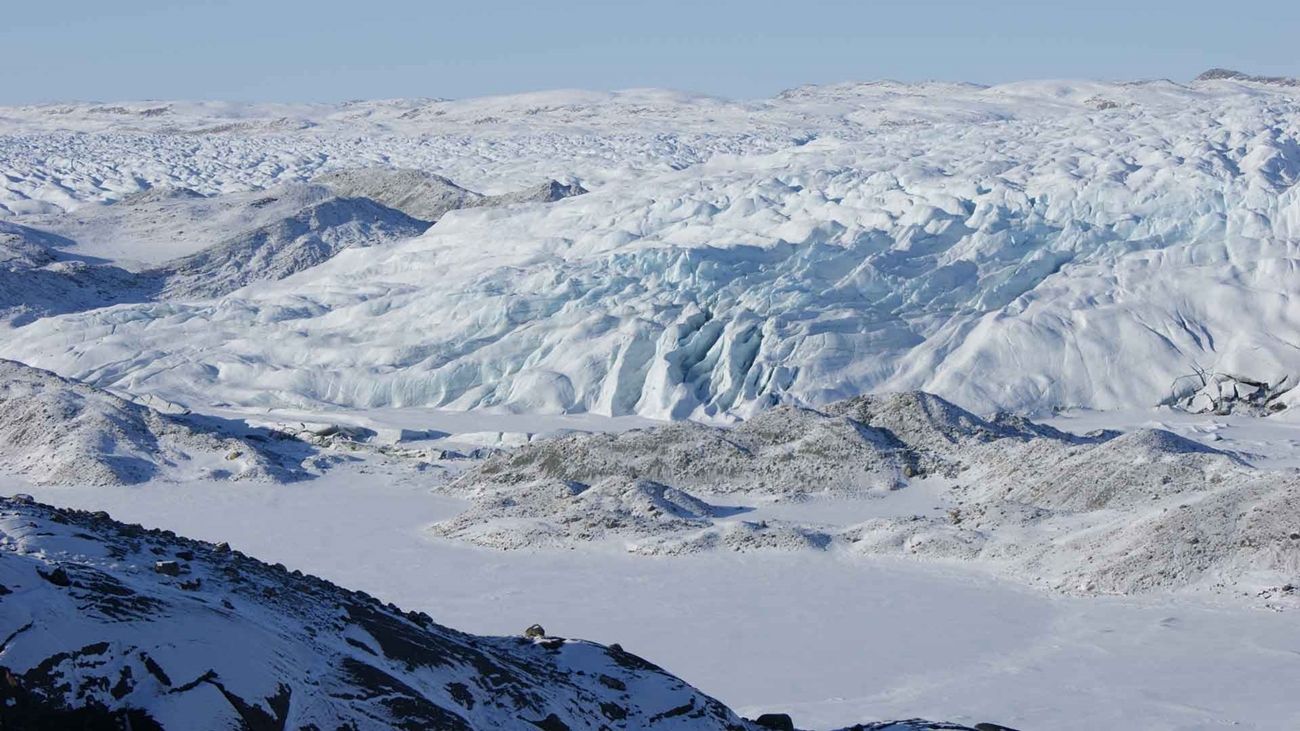
Rather than treating mining as a fixed, heavy-impact activity, BOREAS explores a future where extraction becomes adaptive, intelligent, and environmentally aware from the very first drill.
Mining that thinks as it works
At the heart of BOREAS is a simple but transformative idea: mining systems should not just operate – they should understand.
The project combines three powerful technologies:
- Autonomous robotics that can navigate and operate in extreme, remote subsurface environments
- Real-time environmental sensing to continuously detect changes such as contamination or ecosystem disturbance
- Digital twins, virtual replicas of the mining environment that simulate and guide operations in real time
Together, these systems create a feedback loop. Instead of following a rigid plan designed months or years in advance, mining operations can adjust instantly, slowing down, rerouting, or stopping altogether if environmental risks emerge.
Think of it less like traditional excavation and more like a self-driving system that constantly recalculates the safest and most efficient route.
A pressing matter
The demand for critical raw materials is skyrocketing. They are essential for the green transition, used in batteries, renewable energy systems, and electronics. Yet mining them has long been associated with pollution, habitat destruction, and social resistance.
BOREAS addresses a growing dilemma: how to secure these materials without repeating the environmental mistakes of the past.
By embedding monitoring and decision-making directly into the mining process, the approach shifts from damage control to damage prevention. Contamination can be detected before it spreads. Environmental impacts can be minimized as they occur, not assessed after the fact.
Just as importantly, the system creates transparency. Every step of extraction can be tracked, recorded, and verified, making it easier for regulators, communities, and industries to trust how materials are sourced.
A shift in the mining paradigm
The research reflects a broader transformation in the field. Mining is no longer just about efficiency and output, it’s becoming a balance of competing priorities:
- Resource recovery
- Environmental protection
- Social acceptance
- Regulatory compliance
Future mines may be governed by intelligent systems that weigh these factors in real time. Digital twins could act as decision hubs, continuously optimizing operations based on both physical data and societal constraints.
In this vision, mining becomes less extractive in mindset and more responsive. A system that listens as much as it acts.
Responsible mining
The project is expected to demonstrate a new generation of mining systems with tangible benefits:
- Reduced environmental impact through continuous monitoring and adaptive control
- Improved material recovery, ensuring fewer resources are wasted
- Real-time transparency, providing full traceability of materials from source to supply chain
- Dynamic life-cycle assessments, linking environmental impact directly to operational decisions
Beyond the technical achievements, the implications are broader. Faster permitting processes, stronger public trust, and clearer regulatory alignment could make responsible mining not just possible, but scalable.
Looking Ahead
BOREAS is not just about mining in the Arctic – it’s about setting a precedent. If resource extraction can be made intelligent, transparent, and environmentally responsive in one of the harshest regions on Earth, the model can be applied globally.
In the long run, the success of the green transition depends not only on what materials we use, but how we obtain them. BOREAS offers a glimpse of a future where the answer to that question is no longer a compromise, but a carefully managed balance.