Innovation
A year of spinouts: From research to reality at record speed
Learn how one year produced a wave of impactful spinouts at DTU Electro, accelerating innovation across climate tech, computing, and autonomous systems, making momentum the defining force from lab to life.

Normark RigiSoft
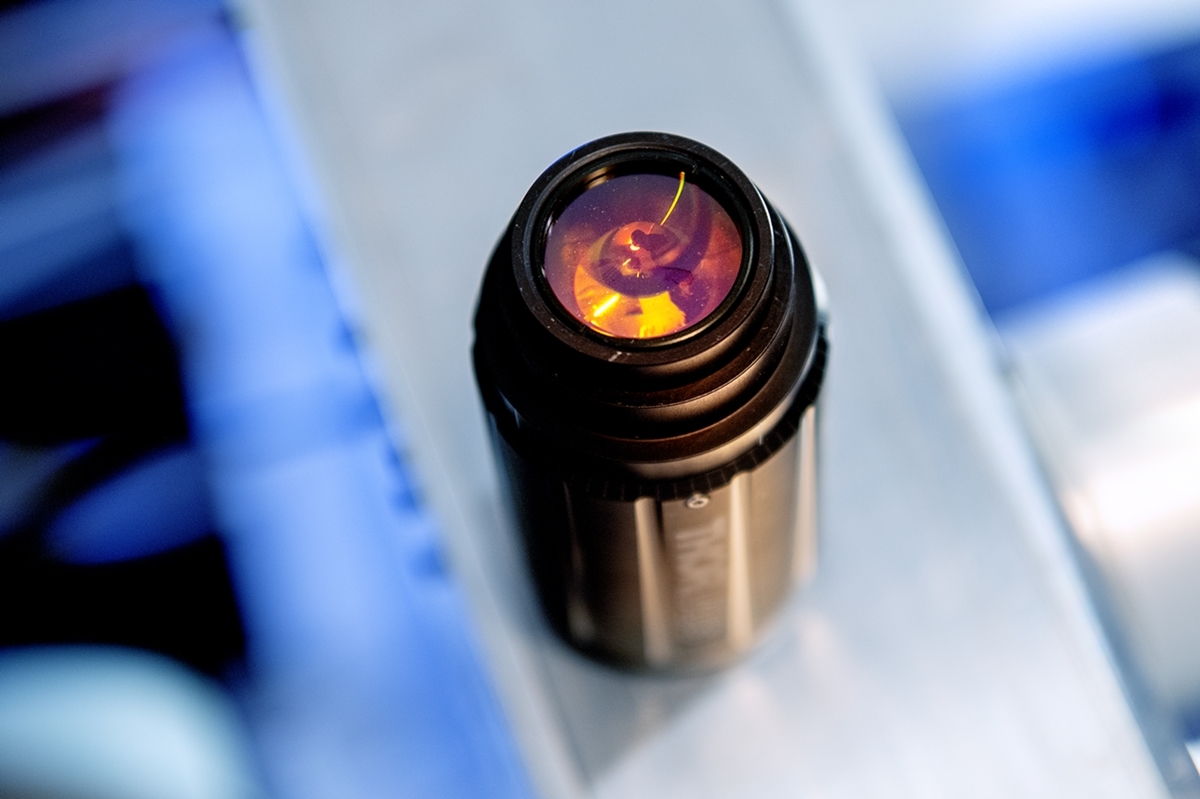
Explores variable stiffness structures using a novel twisting mechanism. Already licensed for military applications, the technology also holds promise for civilian uses. It delivers plug-and-play modules that reduces implementation time and simplifies setup in the field. The flexible architecture allows users to reconfigure the equipment on the fly, allowing them to find creative solutions and quickly adapt to changing operational requirements.

IC Optimize
Addresses a key bottleneck in optical integrated circuit design. By reducing the number of iterations needed to reach a viable industrial design, the company’s method can dramatically speed up development cycles. In sectors where time-to-market is critical, that kind of efficiency translates directly into competitive advantage—and faster delivery of new technologies to society.

Laura Santas Design
Focuses on technical sketches. While it may seem modest compared to deep-tech ventures, design plays a crucial role in innovation ecosystems. Translating complex ideas into clear, visual formats accelerates collaboration, improves communication, and ultimately helps ideas move from concept to reality.
Livigate
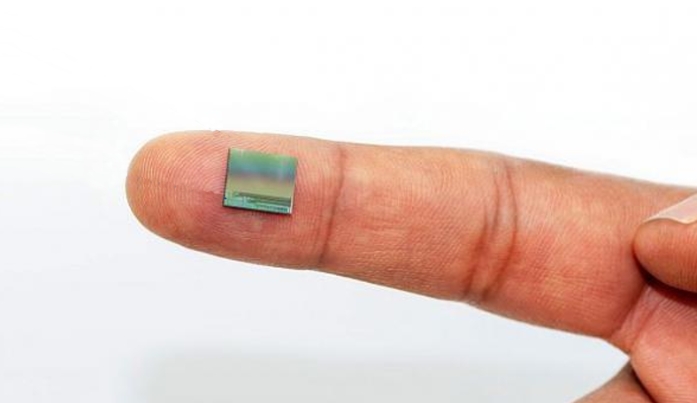
Develops optical phased arrays that could replace mechanical systems (MEMS) in sensing technologies. With no moving parts, wide field of view, and long-range capabilities, their innovation has direct applications in autonomous vehicles, drones, and robotics. In practical terms, this could mean safer navigation systems and more reliable detection technologies in environments where failure is not an option.
InnoMag
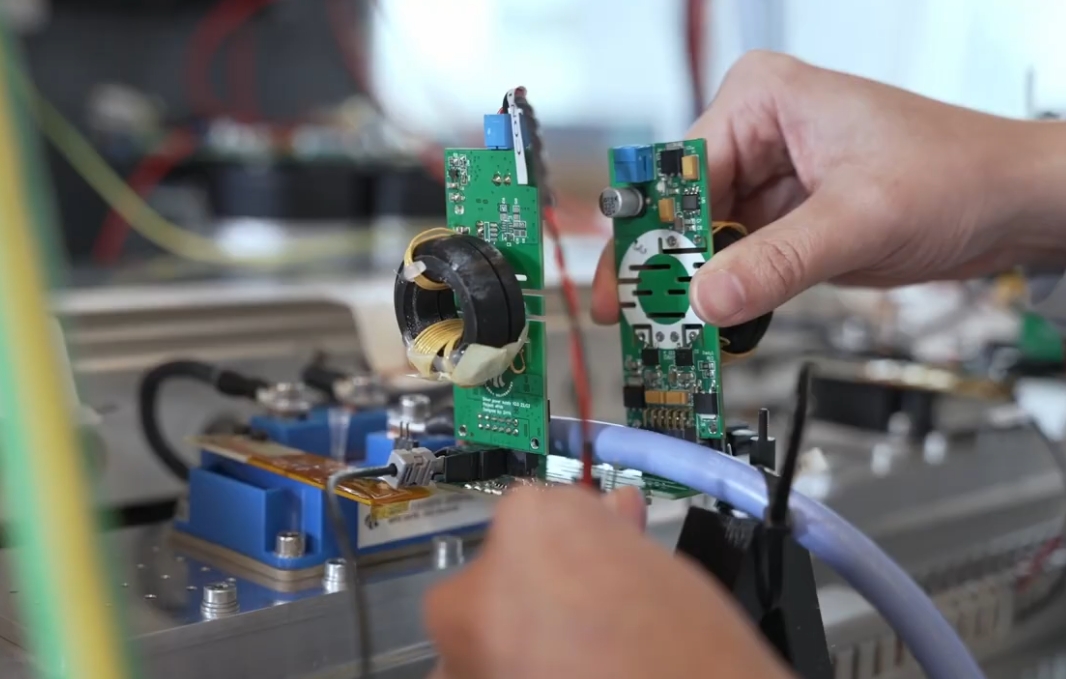
Builds on the GreenMag project to commercialize high-power magnetics. These components are critical in energy conversion systems, electric vehicles, and power electronics. Improvements here ripple outward, enabling more efficient energy systems and supporting electrification at scale.

Auroric
Specializes in frequency comb technologies. These are essential tools in precision measurement, telecommunications, and even quantum technologies. By offering both consultancy and solutions, Auroric positions itself as a bridge between cutting-edge research and industrial application.

BrightIC
Pushes the boundaries of computing itself. By digitizing optical neural networks, the team aims to improve signal quality and image processing at the edge – where data is generated. This has implications for everything from medical imaging to real-time AI in mobile devices, reducing latency and energy consumption while increasing performance.

KYRA Robotics
Works at the intersection of robotics, autonomous systems, and advanced software. Its ambition stretches from research and development to full-scale commercialization, suggesting a platform approach rather than a single-product focus. The potential societal upside is clear: smarter, more adaptive machines that can improve productivity, safety, and efficiency across industries – from manufacturing to healthcare.

KhaosGuard
Develops tools to measure and quantify greenhouse gas emissions in industrial environments. In a world where climate targets often hinge on accurate data, this kind of technology is foundational. You can't reduce what you can't measure – and KhaosGuard is building the ruler.

Dansk Solcelle Teknologi
Rethinks how solar energy is deployed by developing epoxy-based solar modules that can be integrated directly into building materials. Instead of adding panels as an afterthought, energy generation becomes part of the architecture itself. This could significantly lower barriers to adoption and accelerate the transition to renewable energy in urban settings.